Building a Better Hopper: Fabrication Techniques for Custom Solutions
Understanding Custom Process Hoppers and Their Importance
The Role of Hoppers in Material Handling
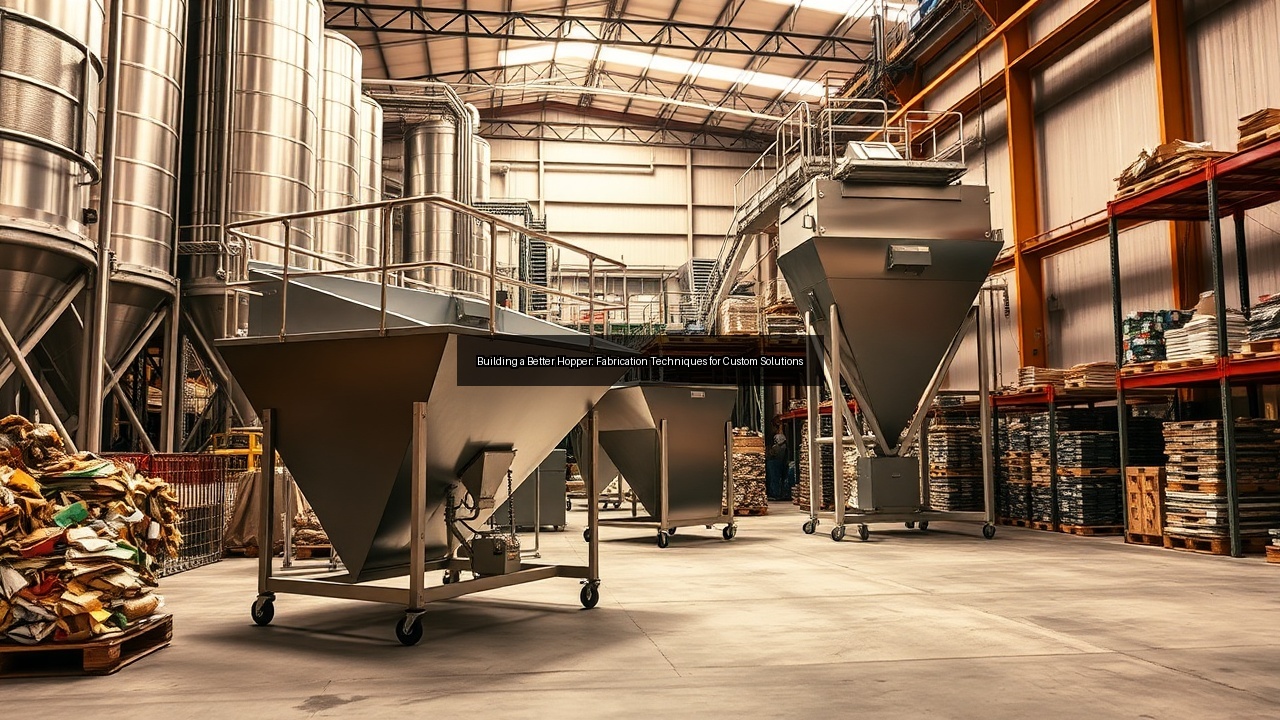
Custom process hoppers serve as critical components in various material-handling operations. These structures facilitate the efficient movement, storage, and dispensing of bulk materials, ensuring that production processes run smoothly. Hoppers often feature a cone-shaped design that allows for optimal flow of materials, reducing bottlenecks and enhancing overall productivity. Whether in manufacturing plants or recycling facilities, hoppers streamline the transfer of materials from one point to another, often integrating seamlessly with conveyor systems. Their ability to manage large volumes of materials, like concrete or scrap, makes them indispensable in many industries.
Benefits of Custom Process Hoppers
Choosing custom process hoppers brings numerous advantages to businesses. One significant benefit is the tailored design that meets specific operational needs. Customization allows for adjustments in size, shape, and material, ensuring that the hopper can accommodate various types of bulk materials, from recyclables to heavy aggregates. Additionally, custom hoppers can improve safety through enhanced designs that incorporate guardrails and casters, facilitating easier mobility. Optimal dimensions prevent overflow, spillage, and material degradation, further enhancing efficiency. Overall, custom hoppers lead to a more streamlined workflow and reduced operational costs, proving their worth in any material-handling application.
Key Industries Utilizing Custom Hoppers
Several industries benefit significantly from custom process hoppers. The manufacturing sector relies on these structures for efficient material transfer, particularly when dealing with bulk materials. Warehousing operations utilize custom hoppers to maximize space and improve organization, integrating them with pallet racks and conveyor systems for seamless logistics. Recycling facilities also depend on custom hoppers to manage diverse recyclables effectively, enabling easy sorting and processing of materials. Each of these industries showcases the versatility and adaptability of custom hoppers, highlighting their essential role in modern material handling.
Materials and Techniques for Hopper Fabrication
Choosing the Right Materials: Stainless Steel vs. Sheet Metal
When fabricating custom process hoppers, selecting the right material is crucial. Stainless steel stands out for its durability, corrosion resistance, and ability to withstand harsh environments. This material is particularly advantageous in industries such as food processing and pharmaceuticals, where hygiene is paramount. On the other hand, sheet metal offers a cost-effective alternative, suitable for less demanding applications. While it may lack some of the strength of stainless steel, sheet metal can still provide adequate performance for many bulk material-handling tasks. Companies often weigh factors such as budget, environmental conditions, and material properties when deciding between these two options, ensuring that the final product meets their operational requirements.
Fabrication Techniques for Durability
Durability in custom process hoppers hinges on effective fabrication techniques. Welding remains a primary method for constructing sturdy hoppers, allowing for strong joints that can withstand significant stress. Techniques such as TIG and MIG welding are popular for their precision and reliability. Additionally, incorporating reinforcements in high-stress areas enhances the structural integrity of the hopper. Powder coating or galvanizing can further improve resistance to corrosion, extending the lifespan of the equipment. Manufacturers also focus on using high-quality fasteners and fittings to ensure that the hopper remains intact even under heavy loads. Attention to these fabrication details translates into long-lasting, dependable hoppers that serve their purpose effectively.
Incorporating Guardrails and Casters for Safety and Mobility
Safety and mobility are paramount in hopper design, especially in busy industrial environments. Adding guardrails provides an essential safety feature, preventing accidental falls and ensuring that operators can work around the hopper with confidence. Additionally, integrating casters allows for easy relocation of the hopper, which is particularly useful in dynamic workspaces where flexibility is required. Casters enable quick adjustments to the layout, facilitating efficient workflows. Custom process hoppers equipped with these features not only enhance safety but also promote operational efficiency, making them a wise investment for companies looking to improve their material handling systems.
Design Considerations for Effective Custom Hoppers
Determining Dimensions for Optimal Performance
Dimensions play a pivotal role in the effectiveness of custom process hoppers. Properly sizing the hopper ensures that it can accommodate the expected volume of bulk materials without causing overflow or blockages. Factors such as the type of material, flow characteristics, and the intended use significantly influence the design. A well-calibrated hopper can enhance material flow, reduce downtime, and improve overall efficiency. Companies often conduct thorough assessments of their material handling needs, utilizing data on material density and flow patterns to determine the ideal dimensions. This careful planning leads to optimal performance and minimizes operational disruptions.
Integrating with Existing Conveyor Systems
Seamless integration with existing conveyor systems is another critical design consideration for custom hoppers. An effective hopper design ensures that it aligns perfectly with conveyor belts, facilitating smooth transitions of materials. This integration reduces the risk of spillage or jams, promoting continuous material flow. Companies must evaluate current conveyor configurations and plan hopper designs that accommodate varying heights and angles. Additionally, the hopper's discharge gate should align with the conveyor's receiving point, optimizing the movement of materials. By focusing on these integration aspects, businesses can enhance their material handling processes and achieve greater efficiency in operations.
Designing for Bulk Material Handling: From Silo to Gate
Designing custom process hoppers for bulk material handling involves considering the entire flow of materials, from silos to gates. Effective designs facilitate a seamless transition, ensuring that materials flow smoothly without interruption. The hopper should be designed to handle the specific bulk materials, taking into account their flow characteristics and storage requirements. Incorporating features such as adjustable gates allows for better control over the material discharge, enabling operators to manage flow rates effectively. By focusing on the entire material handling process, companies can create hoppers that optimize efficiency and support their operational goals.
Case Studies: Successful Implementations of Custom Hoppers
Recycling Facilities: Managing Recyclables Efficiently
Recycling facilities have successfully implemented custom process hoppers to enhance their operations. These hoppers streamline the sorting and processing of recyclables, allowing for quick and efficient handling of diverse materials. By customizing the size and shape of the hoppers, recycling centers optimize the flow of materials, reducing the time spent on manual sorting. The integration of guardrails and casters further improves safety and mobility within the facility, enabling workers to navigate the space with ease. This tailored approach has led to increased productivity, allowing recycling companies to process greater volumes of materials while minimizing waste.
Manufacturing Plants: Enhancing Productivity with Custom Solutions
Custom process hoppers have proven invaluable in manufacturing plants, where efficiency and productivity are paramount. These hoppers are designed to handle specific materials, ensuring that production lines run smoothly without interruptions. By carefully selecting materials and integrating them with existing conveyor systems, manufacturers enhance their material handling capabilities. For instance, a company dealing with metal fabrication might use stainless steel hoppers to manage scrap efficiently, preventing costly delays. The result is a significant boost in productivity, enabling plants to meet tight deadlines and maintain high-quality standards.
Warehousing Solutions: Maximizing Space with Custom Hoppers
In the warehousing sector, custom process hoppers have transformed how companies manage space and materials. These hoppers can be tailored to fit within existing layouts, maximizing storage capacity while facilitating easy access to bulk materials. By integrating custom hoppers with pallet racks and conveyor systems, warehouses increase their operational efficiency and streamline workflows. This strategic approach allows for better organization of materials, reducing handling time and improving inventory management. Companies that invest in custom hoppers for warehousing solutions experience not only improved space utilization but also enhanced productivity across their operations.