Innovative Welding Methods for Pipeline Girth Joints
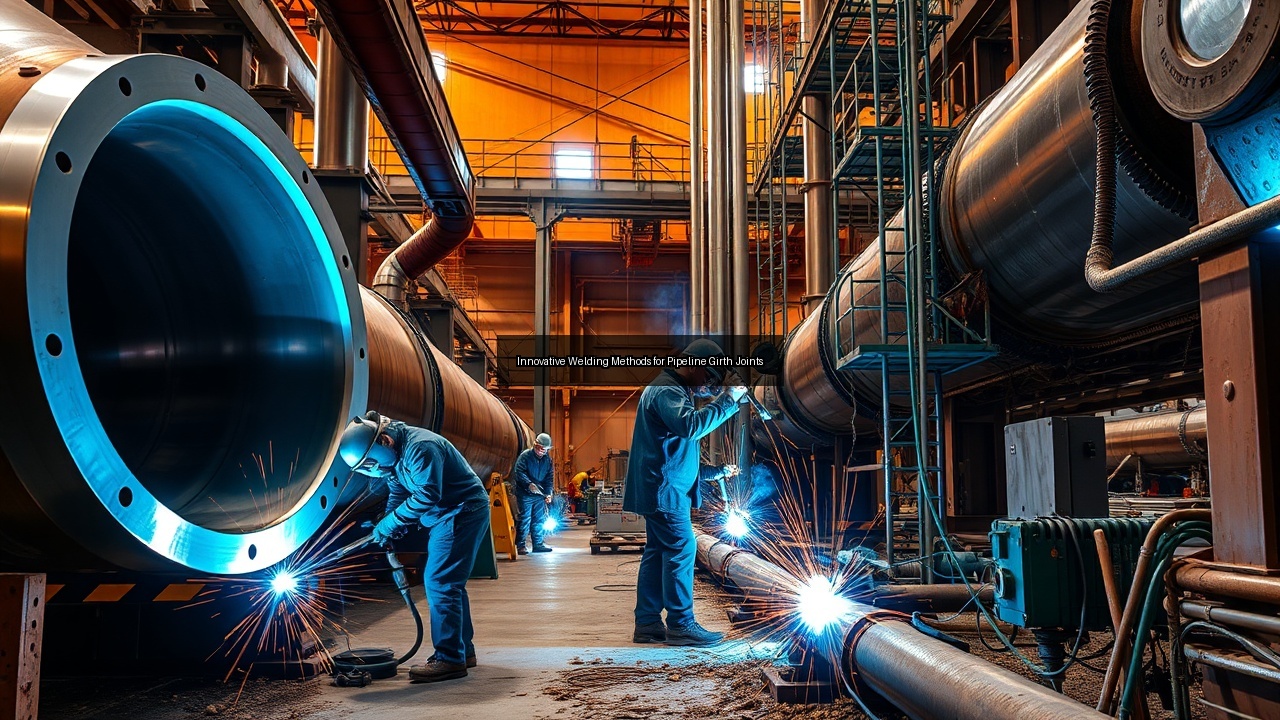
Modern Techniques in Pipeline Girth Welding
Overview of Girth Welding Methods
Pipeline girth welding is essential in establishing strong connections between individual pipe sections, ensuring that pipelines can safely transport various substances over long distances. Several techniques have emerged in recent years, each with unique advantages and challenges. Traditional methods like shielded metal arc welding (SMAW) and gas tungsten arc welding (GTAW) continue to be popular due to their reliability and ease of use. However, advancements in technology have introduced innovative approaches like friction stir welding (FSW) and laser welding, which promise enhanced efficiency and strength.
Understanding the differences in these girth welding methods is crucial for pipeline construction. Each technique varies in terms of equipment, required skill levels, and the conditions under which they operate effectively. The choice of method often depends on material type, pipeline location, and environmental factors. A welder's expertise plays a significant role in executing high-quality welds, as improper application can lead to defects and decreased structural integrity. As pipeline girth welding evolves, the industry continuously adapts to new materials and technologies, aiming for safer and more efficient pipelines.
Friction Stir Welding: A Game Changer
Friction stir welding (FSW) has revolutionized pipeline girth welding by offering a solid-state joining technique that minimizes defects associated with traditional welding methods. In FSW, a rotating tool generates frictional heat at the joint between two materials, softening them without reaching their melting point. This process allows for exceptional weld quality and strength, making it particularly beneficial for joining aluminum and certain grades of stainless steel.
The advantages of FSW extend beyond just weld quality. It is a more environmentally friendly option, as it produces fewer fumes and requires less energy compared to conventional welding. Moreover, FSW's ability to create robust, low-distortion welds makes it ideal for pipelines that demand high performance under extreme conditions. The method also enhances corrosion resistance, a critical factor for pipelines transporting harsh substances. As industries seek innovative solutions to meet stringent regulations and performance expectations, friction stir welding stands out as a game changer in pipeline girth welding.
The Role of Temperature in Girth Welds
Temperature plays a crucial role in the success of girth welds. Both the preheating and cooling processes significantly impact weld quality and performance. Proper temperature management during welding ensures adequate fusion between materials, preventing defects such as cracks or incomplete penetration. For instance, preheating stainless steel can enhance its weldability, allowing for better flow of the molten metal and improved structural integrity.
Moreover, controlling cooling rates is equally important. Rapid cooling can lead to thermal stress, contributing to the risk of corrosion and reduced strength. In contrast, controlled cooling promotes the formation of desirable microstructures, enhancing the mechanical properties of the weld. Understanding the influence of temperature on girth welds helps welders optimize their techniques, leading to stronger, more durable pipelines that can withstand the test of time. girth weld inspection
Ensuring Quality Through Inspection and Testing
Weld Inspection: Importance and Methods
Weld inspection serves as a critical component in ensuring the quality and safety of girth welds in pipelines. A comprehensive welding inspection process identifies defects and ensures that the welds meet industry standards and specifications. Various methods exist to evaluate weld quality, including visual inspection, destructive testing, and non-destructive testing (NDT). Each method offers unique advantages and is suitable for different scenarios.
Visual inspection is the simplest form of weld evaluation, allowing welders to identify surface defects such as cracks, undercuts, or porosity. However, it cannot detect internal flaws, necessitating the use of more advanced techniques. NDT methods, such as ultrasonic testing and radiographic testing, provide deeper insights into the integrity of the weld without damaging the material. These inspection techniques play a vital role in pipeline construction, ensuring that any potential issues are addressed before the pipeline is put into service, thereby safeguarding public safety and protecting valuable resources.
Non-Destructive Testing Techniques
Non-destructive testing (NDT) techniques are pivotal in assessing the integrity of girth welds without compromising the materials involved. NDT methods allow for thorough evaluations, ensuring that pipelines can operate safely and efficiently. Among the most widely used NDT techniques are ultrasonic testing (UT), magnetic particle testing (MPT), and dye penetrant testing (DPT). Each method serves specific purposes and provides unique insights into weld quality.
Ultrasonic testing employs high-frequency sound waves to detect internal flaws within the welds. This method can identify issues such as voids, cracks, and inclusions that may compromise the strength of the weld. Magnetic particle testing is particularly effective for detecting surface and near-surface defects in ferromagnetic materials, while dye penetrant testing reveals surface irregularities in non-ferromagnetic materials. Implementing these non-destructive testing techniques during the welding process ensures that any potential problems are identified early, allowing for timely remediation and ultimately contributing to the longevity and safety of the pipeline.
Ultrasonic Testing for Girth Welds
Ultrasonic testing (UT) stands out as one of the most effective non-destructive testing techniques for evaluating girth welds in pipelines. This method utilizes high-frequency sound waves that penetrate the material, reflecting back information about the internal structure and any potential flaws. The precision of ultrasonic testing makes it invaluable for ensuring the integrity and reliability of girth welds, which are critical for the safe transport of materials.
During ultrasonic inspection, a skilled technician uses a transducer to emit sound waves into the welded joint. The waves travel through the material, and when they encounter a flaw, such as a crack or void, they reflect back to the transducer, allowing the technician to analyze the results. The ability to detect even minute defects before the pipeline is operational contributes significantly to reducing maintenance costs and improving safety standards. As technology continues to advance, ultrasonic testing is becoming increasingly sophisticated, offering enhanced capabilities for inspecting girth welds and ensuring the overall safety of pipeline systems.
Material Considerations for Girth Welds
Weldability of Stainless Steel in Pipeline Construction
Stainless steel is a popular choice for pipeline construction due to its excellent corrosion resistance and mechanical properties. However, the weldability of stainless steel can vary significantly based on its composition and grade. Factors such as carbon content, alloying elements, and heat treatment history influence how well the material can be welded. Understanding these characteristics is crucial for ensuring successful girth welds.
Proper selection of welding techniques and parameters when working with stainless steel can enhance weld quality and prevent issues such as cracking or distortion. For instance, using a filler material that matches the stainless steel grade can improve the overall strength of the weld. Additionally, preheating and controlling interpass temperatures during welding can mitigate thermal stresses and enhance weldability. By considering the specific properties of stainless steel, welders can optimize their approaches, leading to robust girth welds that withstand harsh operating conditions.
Corrosion Resistance in Girth Welds
Corrosion resistance is a paramount consideration in pipeline girth welding, especially for pipelines transporting aggressive substances. The welded joints often experience different environmental conditions than the base materials, making them susceptible to localized corrosion. Factors such as weld composition, surface finish, and the presence of dissimilar metals can significantly impact the corrosion resistance of girth welds.
To enhance corrosion resistance, welders can implement several strategies. Selecting appropriate filler materials that match or exceed the corrosion resistance of the base material is critical. Additionally, applying protective coatings or corrosion inhibitors post-welding can further safeguard welds from deterioration. Regular inspection and maintenance also play vital roles in identifying and addressing corrosion-related issues before they compromise the integrity of the pipeline. By prioritizing corrosion resistance, industries can ensure the longevity and reliability of their pipeline systems.
The Influence of Plastic Materials on Weld Strength
As the demand for innovative materials in pipeline construction grows, plastic materials are increasingly being integrated into girth welding applications. Plastic pipes, such as those made from high-density polyethylene (HDPE), offer lightweight, corrosion-resistant alternatives to traditional metal pipes. However, the transition to plastic materials comes with its own set of challenges regarding weld strength and integrity.
Welding plastic materials requires specific techniques and considerations to achieve strong joints. Fusion welding methods, such as butt fusion and electrofusion, provide effective ways to join plastic pipes. These techniques involve heating the surfaces to be joined until they soften and then applying pressure to create a strong bond. Understanding the specific properties of plastic materials, including their thermal characteristics, is essential for achieving optimal weld strength. As industries explore the integration of plastic materials into pipeline systems, proper welding practices will ensure reliable and durable girth welds.
Best Practices and Procedures for Girth Welding
Standard Girth Weld Procedures
Implementing standard girth weld procedures is vital for ensuring consistent quality and safety in pipeline construction. These procedures outline the steps necessary for effective welding, including preparation, execution, and post-weld inspection. Adhering to established guidelines helps minimize the risk of defects and ensures that welds meet industry standards.
Standard procedures typically begin with thorough surface preparation, which involves cleaning the pipe ends to remove contaminants that could weaken the weld. The selection of appropriate welding parameters, such as voltage, amperage, and travel speed, is critical for achieving optimal fusion. Following the welding process, a comprehensive inspection, including visual and non-destructive testing, verifies the integrity of the girth welds. By following standard procedures, pipeline construction teams can enhance the reliability and safety of their operations.
Challenges in Girth Weld Joint Construction
Girth weld joint construction presents several challenges that can impact the integrity and performance of pipelines. Variations in material thickness, joint alignment, and environmental conditions often complicate the welding process. For example, uneven surfaces can lead to improper fusion, while extreme temperatures can affect the cooling rates of welds, increasing the risk of defects.
Additionally, the presence of contaminants such as oil, dirt, or moisture can compromise weld quality. Effective preparation and quality control measures are essential for overcoming these challenges. Employing skilled welders who understand the intricacies of girth welding significantly contributes to successful outcomes. Addressing these challenges head-on fosters a culture of safety and quality, ensuring that pipelines are built to withstand the demands of their operating environments.
Future Innovations in Pipeline Girth Welding
The future of pipeline girth welding promises exciting innovations that will enhance efficiency, safety, and sustainability. Researchers and engineers continue to explore advanced materials and welding technologies that can revolutionize traditional practices. For instance, the integration of artificial intelligence (AI) in welding processes can optimize parameters in real-time, ensuring consistent quality and minimizing defects.
Additionally, advancements in robotics and automation are set to transform how girth welds are executed. Automated welding systems can enhance precision and reduce human error, leading to stronger, more reliable welds. Furthermore, the development of new alloys and composite materials can improve the performance and longevity of pipelines, addressing challenges such as corrosion and mechanical stress. By embracing these innovations, the pipeline industry will not only enhance operational efficiency but also contribute to more sustainable practices, ultimately shaping the future of pipeline girth welding.
See Also
- Ultrasonic Testing Techniques for Accurate Weld Inspection
- The Science Behind Girth Welds and Their Structural Integrity
- Temperature Control Strategies for Successful Girth Welding
- The Role of Literature in Advancing Girth Welding Practices
- Friction Stir Welding vs Traditional Methods in Pipeline Girth Applications