Top Considerations When Sourcing from Carbon Steel Suppliers
Understanding Carbon Steel and Its Varieties
What is Carbon Steel?
Carbon steel is a widely used metal alloy primarily composed of iron and carbon, with carbon content typically ranging from 0.05% to 2.0%. This type of steel stands out for its exceptional strength, durability, and versatility, making it a preferred choice in various industries. Unlike stainless steel, which contains chromium to resist corrosion, carbon steel relies on the properties of its carbon content to enhance its hardness and tensile strength. Its affordability and availability have made it a staple in manufacturing processes. Many businesses actively seek reputable carbon steel distributors to supply this essential material, ensuring they receive quality products that meet their specific needs.
Types of Carbon Steel: Low, Medium, and High Carbon
Carbon steel is categorized into three main types based on its carbon content: low carbon steel, medium carbon steel, and high carbon steel. Low carbon steel, containing up to 0.25% carbon, is malleable, ductile, and easy to weld, making it ideal for applications like automotive body panels and general structural projects. Medium carbon steel, with a carbon range of 0.26% to 0.60%, strikes a balance between strength and ductility, often used in manufacturing gears and shafts. High carbon steel, containing over 0.60% carbon, boasts excellent hardness and wear resistance, making it suitable for cutting tools and springs. Each type serves different purposes, requiring careful consideration when sourcing from carbon steel suppliers.
Comparison with Other Metals: Stainless Steel and Alloy Steel
Understanding the distinctions between carbon steel and other metals like stainless steel and alloy steel is crucial for making informed sourcing decisions. Stainless steel is an alloy that contains at least 10.5% chromium, which provides excellent corrosion resistance, making it suitable for applications requiring hygiene, such as food processing and medical equipment. Alloy steel, on the other hand, combines carbon with other elements like chromium, nickel, and molybdenum to enhance specific properties, such as strength and toughness. While carbon steel is often more cost-effective than its stainless and alloy counterparts, the choice of material ultimately depends on the application requirements, budget constraints, and desired performance characteristics.
Key Considerations When Choosing a Carbon Steel Distributor
Reputation and Reliability of Suppliers
Choosing a reputable carbon steel distributor is paramount for ensuring the quality and consistency of the materials you receive. A supplier's reputation often reflects their reliability, customer service, and adherence to industry standards. Look for carbon steel suppliers with positive customer reviews, testimonials, and a proven track record in the market. Engaging with suppliers who demonstrate transparency regarding their sourcing practices and production processes fosters trust. Additionally, consider their responsiveness and willingness to address any questions or concerns, as this can significantly impact your purchasing experience. A dependable distributor not only supplies quality carbon steel products but also contributes to the overall success of your projects.
Range of Carbon Steel Products Offered
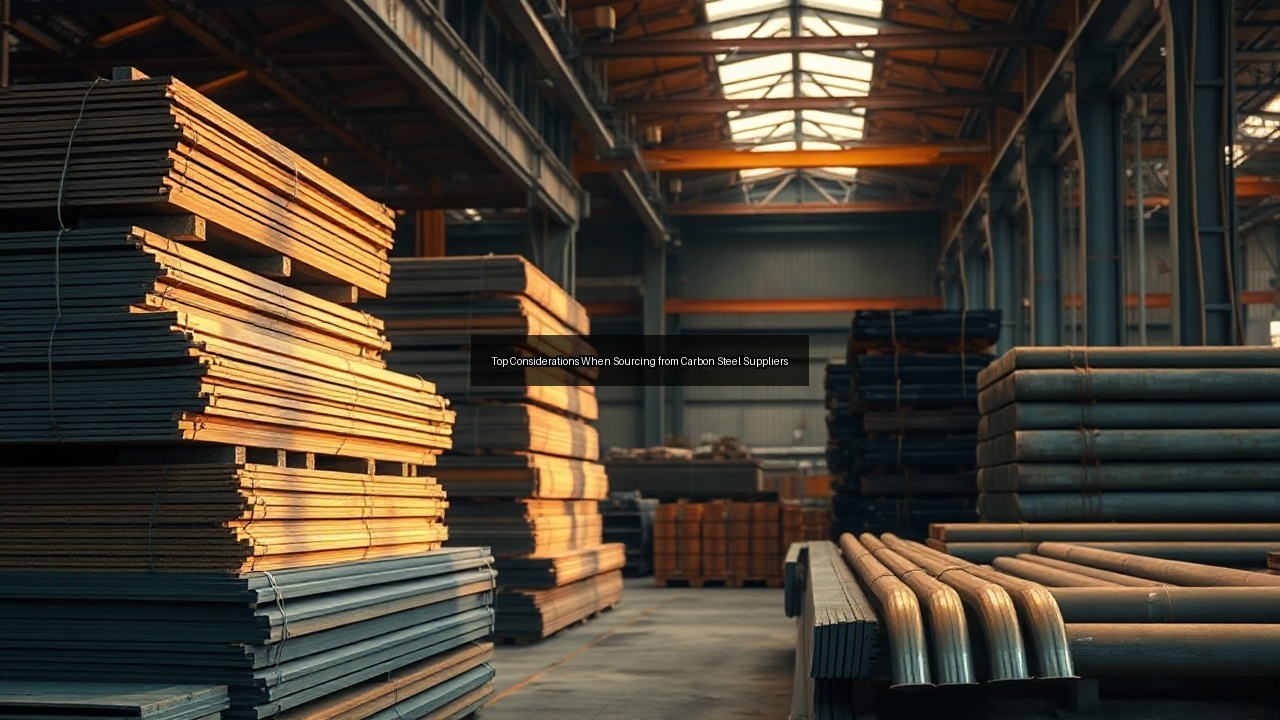
Evaluate the variety of carbon steel products offered by potential distributors. A supplier that provides a comprehensive range of carbon steel products, including sheets, plates, bars, and pipes, can better meet your specific project needs. Additionally, consider whether the distributor offers various grades and types, such as low carbon steel, medium carbon steel, and high carbon steel. This versatility allows for more tailored solutions and reduces the need to engage with multiple suppliers. When a carbon steel supplier offers an extensive inventory, it streamlines the sourcing process and enhances convenience, making it easier for businesses to find the right materials for their applications.
Quality Assurance and Certification Standards
Quality assurance plays a critical role in sourcing carbon steel products. Look for distributors who adhere to recognized certification standards, such as ISO 9001, which demonstrates their commitment to maintaining high-quality processes. A reliable carbon steel distributor should provide documentation that verifies the quality and specifications of their products. This includes mill test reports and compliance with industry standards, which can help mitigate risks associated with material failures. Establishing a partnership with suppliers who prioritize quality assurance ensures that you receive carbon steel that meets your performance criteria and enhances the safety and reliability of your projects.
Applications of Carbon Steel in Various Industries
Construction and Infrastructure Projects
Carbon steel plays a vital role in construction and infrastructure projects due to its strength and structural integrity. It is commonly used in beams, columns, and reinforcements, providing essential support for buildings and bridges. Low and medium carbon steels, in particular, are favored for their weldability and formability, making them ideal for constructing durable frameworks. Additionally, carbon steel's cost-effectiveness allows for budget-conscious projects to utilize high-quality materials without compromising on safety. Collaborating with a trusted carbon steel distributor ensures the availability of the right grades and specifications to meet the demands of various construction applications.
Transportation: Steel Pipes and Welded Applications
The transportation industry relies heavily on carbon steel for various applications, including the manufacture of steel pipes and welded components. Carbon steel pipes, known for their strength and reliability, are essential for transporting fluids and gases across extensive networks. Medium and high carbon steel are often used in welded applications, providing the strength needed for structural integrity in vehicles, ships, and rail systems. As demand for transportation infrastructure grows, sourcing carbon steel products from reputable suppliers ensures that manufacturers can produce safe and effective transportation solutions. This solidifies the role of carbon steel as a backbone in the transportation sector.
Use of Carbon Steel in Manufacturing and Fabrication
Manufacturing and fabrication industries extensively utilize carbon steel for its versatility and performance characteristics. From machinery components to tools and fasteners, carbon steel's range of properties allows it to serve various functions. Low carbon steel is commonly employed in applications requiring malleability and ease of machining, while high carbon steel is preferred for tools that require hardness and durability. The ability to source different grades from a carbon steel distributor provides manufacturers with the flexibility to select materials tailored to their specific applications, enhancing productivity and the quality of the end products.
Sourcing Strategies for Carbon Steel Products
Evaluating Local vs. National Carbon Steel Suppliers
When sourcing carbon steel products, consider the advantages of both local and national suppliers. Local carbon steel distributors often provide quicker turnaround times, reduced shipping costs, and better communication, fostering a strong relationship with customers. On the other hand, national suppliers typically offer a broader selection and potentially better pricing due to their larger scale. Assess your project requirements and budget constraints when deciding. Sometimes, a hybrid approach can work—sourcing standard materials locally while relying on national distributors for specialized or bulk orders. This strategic evaluation can optimize both cost and efficiency in your procurement process.
Cost Analysis and Budgeting for Carbon Steel Purchases
Conducting a thorough cost analysis is essential when sourcing carbon steel products. Prices can vary significantly based on factors such as material grade, market demand, and supplier location. Develop a comprehensive budgeting strategy that accounts for not only the purchase price but also potential shipping costs, handling fees, and any additional services the supplier may offer. Engaging with multiple carbon steel suppliers can provide insight into price variations, allowing you to make informed decisions. Ultimately, a well-planned budgeting approach ensures you remain within financial constraints while acquiring the quality carbon steel necessary for your projects.
Building Long-Term Relationships with Carbon Steel Distributors
Establishing long-term relationships with carbon steel distributors can lead to numerous benefits, including preferential pricing, priority service, and tailored solutions that align with your operational needs. Regular communication with your suppliers fosters transparency and trust, making it easier to address any issues that may arise. Consider entering into agreements for bulk purchases or long-term contracts, which can enhance your negotiating power and provide more predictable costs. As your projects evolve, a reliable distributor becomes an invaluable partner, helping you navigate the complexities of sourcing quality carbon steel products while ensuring timely delivery and support.